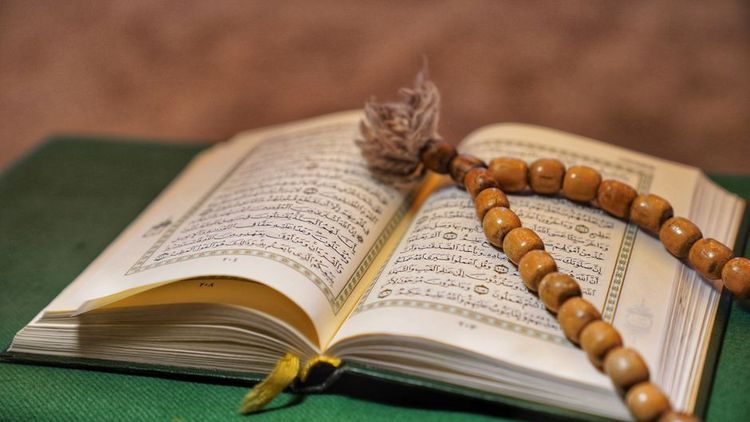
Many Muslim women carry a quiet tension when they think about goals. They want to grow, serve Allah with more intention, care for their families, improve their health, deepen their knowledge, build meaningful work, and still remain present in the life they already have. Yet much of the popular advice around productivity speaks as if every woman has unlimited time, uninterrupted mornings, predictable energy, and no emotional responsibilities beyond her own ambitions.
This is why goal setting for Muslim women needs a different lens. It cannot be built only on achievement, speed, and constant optimization. It must include faith, capacity, seasons of life, and mercy. A goal that looks impressive on paper but slowly drains your worship, patience, health, or home is not truly successful. Islamic goal setting begins with remembering that growth is not about proving your worth. Your worth is already honored by Allah. Goals are simply tools to help you live with clearer niyyah, better stewardship, and more sincere action.
Why common goal-setting advice can feel exhausting
Most mainstream goal-setting advice is designed around control. Wake up earlier. Do more before sunrise. Track every habit. Push harder. Remove excuses. While some of this can be useful in the right context, it can become heavy when applied without wisdom. A Muslim woman may be caring for young children, supporting aging parents, navigating work, studying, healing from stress, managing household responsibilities, or carrying invisible emotional labor. Her life may not fit neatly into a rigid routine.
When advice ignores real responsibilities, it creates shame instead of clarity. A woman may think she is undisciplined when she is actually overloaded. She may think she lacks ambition when her body is simply asking for rest. She may abandon goals entirely because the only model she has seen is intense, inflexible, and guilt-driven.
Halal goal setting is not only about choosing permissible goals. It is also about pursuing them in a way that does not violate the trust of your body, your relationships, your worship, or your emotional well-being. The Prophet’s Sunnah teaches balance, consistency, and moderation. The most beloved deeds are not necessarily the most dramatic, but those done consistently with sincerity.
Begin with faith, not pressure
Before asking, “What do I want to achieve?” ask, “What is Allah inviting me to become in this season?” That one question softens the entire process. It moves you away from comparison and toward responsibility. Your goals should help you become more truthful, more patient, more disciplined, more generous, more knowledgeable, or more present in the areas Allah has entrusted to you.
This does not mean every goal must sound overtly spiritual. Improving your sleep can be an act of worship if it helps you pray with presence. Organizing your finances can be worship if it protects you from waste and anxiety. Building a business can be worship if it is ethical, beneficial, and rooted in service. Personal growth is not separate from faith when your niyyah is sound.
Muslim women personal growth is most powerful when it is integrated. You are not a spiritual self in one corner, a family member in another, and a professional or student somewhere else. You are one soul moving through many responsibilities. Your goals should respect that wholeness.
Set goals according to your real capacity
One of the most merciful things you can do is tell the truth about your current season. Not the season you wish you were in. Not the season another woman online appears to be living. Your actual season.
Ask yourself: How much energy do I usually have in a week? What responsibilities are fixed? Where am I emotionally? What does my body need? What spiritual basics need protection before I add more? These questions are not excuses. They are part of wisdom.
A goal that fits your life has a much better chance of lasting. If you are exhausted, your first goal may not be to start a complex new study routine. It may be to sleep earlier three nights a week, pray on time with more calm, and read one page of Quran after Fajr. If you are in a demanding family season, your goal may be to create ten minutes of quiet dhikr daily rather than committing to an hour-long program. Small does not mean insignificant. In Islam, sincerity and consistency give weight to actions.
Turn vague intentions into clear next steps
Many goals fail because they remain too vague. “I want to become closer to Allah.” “I want to be healthier.” “I want to be more productive.” These intentions are beautiful, but they need a path. A simple framework can help: name the intention, choose one area, define the action, reduce the friction, and attach it to a rhythm you already have.
First, name the niyyah. For example: “I want to care for my health so I have more energy for worship and my responsibilities.” This protects the goal from becoming vanity or self-punishment.
Second, choose one area. Instead of trying to improve sleep, food, exercise, hydration, and screen time all at once, choose the area that would create the most relief. Perhaps sleep is the root issue. Perhaps movement is missing. Perhaps your meals are irregular because you are always rushing.
Third, define the action. “I will walk for fifteen minutes after lunch on Monday, Wednesday, and Friday” is stronger than “I will exercise more.” “I will review my spending every Sunday after dinner” is stronger than “I will be better with money.” “I will memorize three short lines of Quran after Isha twice a week” is stronger than “I will study more.”
Fourth, reduce the friction. Put your walking shoes near the door. Keep your journal beside your prayer mat. Save the lesson you want to watch before the week begins. Make the right action easier to begin.
Finally, attach the action to an existing rhythm. New habits become more sustainable when they are connected to something already present: after a prayer, after breakfast, before school pickup, after the children sleep, or during your weekly planning time.
Measure progress without perfectionism
Perfectionism often disguises itself as high standards, but it usually produces avoidance. If you miss one day, you feel you have failed. If your week becomes chaotic, you decide the whole goal is ruined. This is not discipline; it is all-or-nothing thinking.
A healthier approach is to measure evidence, not perfection. Ask: Did I return to the goal after disruption? Did I learn what made it difficult? Did I take one sincere step? Did the goal improve my character or only increase my self-criticism?
Islamic goal setting should leave room for tawbah, renewal, and beginning again. Your missed day is information, not a verdict. Maybe the goal was too large. Maybe the timing was unrealistic. Maybe you needed support. Maybe you were expecting yourself to function without rest. Adjusting a goal is not failure; it is intelligent stewardship.
This is where muhasaba becomes essential. Self-accountability in Islam is not self-hatred. It is honest reflection before Allah. You look at your actions with humility, gratitude, and a willingness to improve. You do not need guilt to grow. You need sincerity, clarity, and consistent return.
Use a weekly review to keep goals realistic
A weekly review prevents your goals from becoming forgotten promises or sources of pressure. Choose one calm time each week, even if it is only twenty minutes. Open your planner or journal, take a breath, and begin with dua. Ask Allah for beneficial direction, sincerity, and ease in what is good for you.
Then review four simple questions. What went well this week? What felt heavy or unrealistic? What is one lesson I want to carry forward? What is the next small step for the coming week?
This review should be compassionate and specific. Instead of writing, “I failed at my Quran goal,” write, “Evenings were too tiring, so I will try ten minutes after Fajr twice this week.” Instead of, “I am bad at routines,” write, “My routine needs to be lighter on workdays.” Language matters. The way you speak to yourself can either encourage growth or deepen discouragement.
A tool like That Muslima Journal can support this kind of reflection because it gives your thoughts a place to land. Writing slows you down. It helps you notice patterns, renew your niyyah, and separate what Allah is asking of you from what pressure is demanding of you. The page can become a quiet space for honest planning, not performance.
Choose sustainable growth over constant striving
There will be seasons when your goals are ambitious and outwardly visible. There will also be seasons when your goals are quiet: praying with more presence, speaking more gently, resting without guilt, asking for help, or rebuilding trust in yourself. Both seasons can be meaningful.
The purpose of goals is not to turn your life into a never-ending project. It is to help you live with intention. When your goals are aligned with faith, rooted in reality, and reviewed with mercy, they become a means of growth rather than a path to burnout.
So begin small. Choose one area. Make one clear intention. Take one next step. Return when you slip. Review with honesty. Trust that Allah sees the effort no one else sees, including the effort it takes to keep going gently.