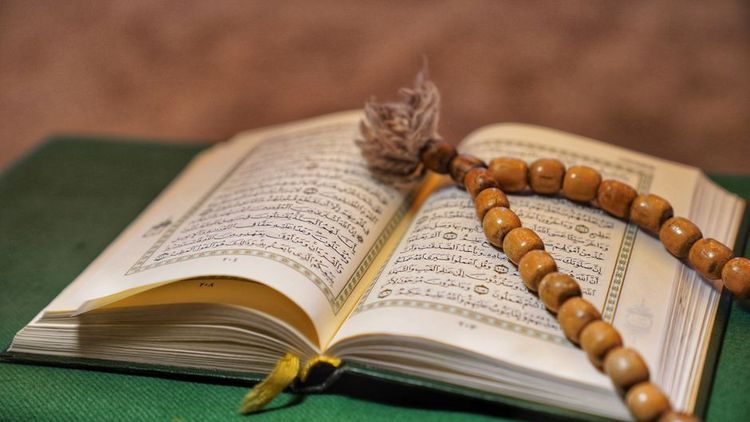
اللَّهُمَّ قِنِي عَذَابَكَ يَوْمَ تَبْعَثُ عِبَادَكَ
Allāhumma qinī ʿadhābaka yawma tabʿathu ʿibādak
O Allah, protect me from Your punishment on the Day You resurrect Your servants. (Abu Dawud 5045, at-Tirmidhi 3398)
The Sunnah of Closing the Day
Sleep is one of the most ordinary acts in human life, yet Islam teaches us to approach it with meaning. The sleeping Sunnah is not a complicated ritual reserved for people with perfect schedules. It is a merciful way of ending the day with remembrance, humility, and trust.
The Prophet, peace and blessings be upon him, taught us to sleep in Allah’s name, to remember the Hereafter, to seek protection, and to rest with a heart that is not trying to control everything. A dua before bed is therefore more than a phrase. It is a spiritual handover: the believer admits, with tenderness and honesty, that the day is finished, the results belong to Allah, and the soul is in His care.
This matters deeply for Muslim women carrying invisible loads. A mind full of family needs, work pressure, studies, emotions, decisions, and unfinished tasks can feel loud at night. The Sunnah does not shame that heaviness. It gives it a direction. Instead of ending the day in mental replay, you end it in dua, dhikr, repentance, and reliance.
The Authentic Bedtime Duas and Surahs
The first dua before sleeping above is beautifully brief: “In Your name, O Allah, I die and I live.” Sleep is described like a small death, and waking is a renewed gift. When you say it consciously, you are not merely asking for rest. You are placing your existence under the name of Allah.
The second dua asks Allah for protection from punishment on the Day of Resurrection. It reminds the heart that a peaceful night is not only about comfort; it is also about preparing to meet Allah. The most peaceful people are not those who never think about the Hereafter, but those who remember it in a way that softens them and brings them back.
There are also authentic bedtime practices connected to Quran recitation. The Prophet, peace and blessings be upon him, would recite Surah al-Ikhlas, Surah al-Falaq, and Surah an-Nas, blow gently into his hands, and wipe over his body as much as he could, beginning with his head, face, and the front of his body. This is reported in al-Bukhari. Because these chapters are widely memorized, they can become an anchor for the heart at the end of a long day.
Another well-known bedtime practice is reciting Ayat al-Kursi before sleep. In an authentic report in al-Bukhari, it is mentioned as a means of protection by Allah until morning. Many scholars also mention sleeping in a state of wudu, lying on the right side, and making remembrance before resting. Together, these practices turn the bedroom from a place of scrolling and worry into a place of surrender.
If anxiety and intrusive thoughts tend to become stronger at night, pair your bedtime remembrance with specific duas for anxiety and overthinking. The aim is not to pretend your feelings are not real. The aim is to bring those feelings into the presence of the One who knows them fully.
A 10-Minute Islamic Night Routine
An Islamic night routine does not need to be long to be transformative. Consistency is more beloved than intensity that disappears after two nights. Think of your last ten minutes as a gentle return to Allah, not another performance to perfect.
In the first two minutes, prepare your space. Put away your phone, straighten what is easy to straighten, and let your room feel like a place of rest. If you are able, make wudu. This small act creates a boundary between the noise of the day and the sacred quiet of the night.
In the next two minutes, do a brief muhasaba. Ask yourself: Where did I see Allah’s mercy today? Where did I fall short? Whom do I need to forgive? What should I seek forgiveness for? This is not self-attack. It is honest spiritual accounting. A believer does not end the day by drowning in guilt, but by returning through repentance and hope.
Then spend three minutes with Quran and dhikr. Recite what you know from the bedtime Sunnah, especially the last three chapters of the Quran if you have memorized them. Say the authentic dua before sleeping slowly, with presence. Let every word land. “In Your name” means I do not enter sleep alone. “I die and I live” means my waking is not guaranteed, and if it comes, it is mercy.
In the final three minutes, make personal dua. Ask Allah for forgiveness, protection, healing, guidance, and a heart that wakes for Fajr. Mention your loved ones. Mention the worries you are tired of carrying. If you already keep a steady morning and evening adhkar routine, let your bedtime remembrance feel like its quiet completion.
The goal is not to create a rigid checklist. The goal is to build a dependable rhythm that teaches your nervous system and your soul the same truth: the day ends with Allah.
Reflecting on the Day in Writing Before Sleep
Writing before sleep can be a powerful form of reflection when it is guided by faith. Many people journal in a way that simply repeats their worries. Islamic reflection is different. It brings the day under the light of niyyah, gratitude, repentance, and trust.
Before sleeping, try writing three short lines. First: “Today, I am grateful for…” Second: “Today, I ask Allah to forgive me for…” Third: “Tomorrow, I intend to…” These prompts are simple, but they train the heart to notice mercy, take responsibility, and begin again with purpose.
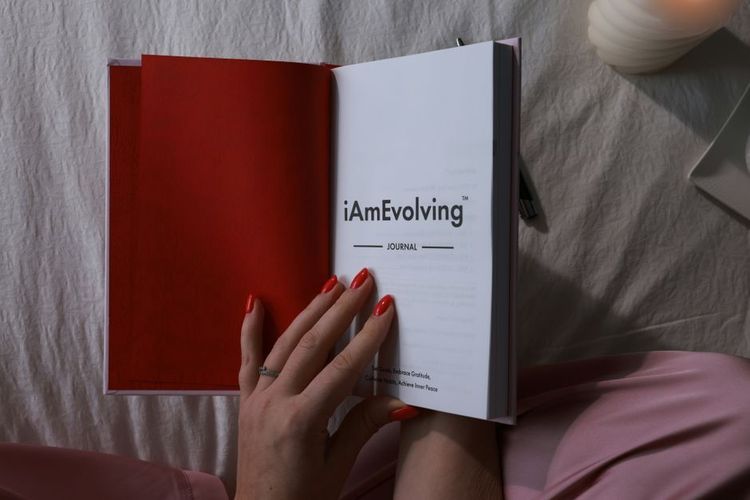
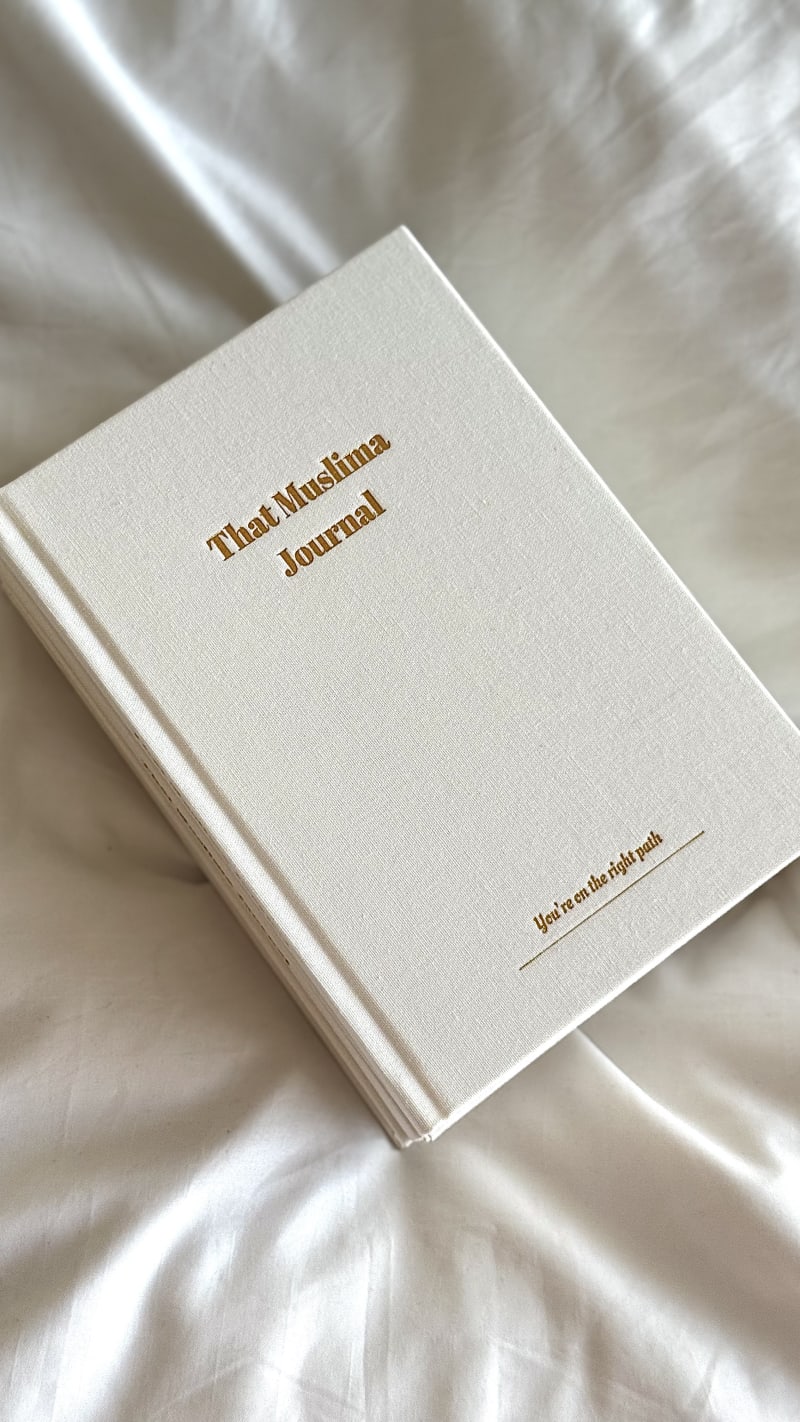
This is where That Muslima Journal can become a meaningful companion. It is designed for Muslim women who want their inner life to be organized around faith, not just productivity. Used at night, it can help you release the day without losing the lessons Allah placed inside it.
For example, instead of writing, “I failed today,” you might write, “I was impatient today, and I ask Allah to help me respond with more gentleness tomorrow.” Instead of writing, “I am overwhelmed,” you might write, “Allah knows what I am carrying, and I will take the next step He makes possible.” The wording matters because the believer’s self-talk should be truthful, but never hopeless.
Ending the Day with Peace
Peace before sleep is not the absence of unfinished tasks. It is the presence of trust. There will always be messages unanswered, dishes left, emotions unresolved, and plans still forming. The Sunnah teaches you not to wait for a perfect life before remembering Allah. It teaches you to remember Allah inside an imperfect one.
So tonight, begin gently. Make wudu if you can. Recite what you know. Say the dua before sleeping with awareness. Ask for protection. Reflect for a moment. Write one honest line. Then let your last conscious act be surrender.
When a Muslim woman ends her day with dua, she is not merely preparing to sleep. She is preparing to return, to be renewed, and to wake, if Allah wills, with a heart that remembers where peace truly comes from.