Many Muslim women long for a deeper relationship with the Quran, but they feel unsure where to begin. They may imagine Quran reflection as something reserved for scholars, advanced students, or people with hours of quiet time. In reality, a Quran reflection routine can begin with a single passage, a sincere heart, and a few minutes of honest attention.
Simple reflection means reading the Quran slowly enough to ask, “What is Allah teaching me here, and how should I respond?” It is not about forcing hidden meanings, making legal rulings, or speaking without knowledge. It is about listening with humility, noticing repeated themes, connecting verses to your life, and allowing the Quran to shape your choices.
This is where consistency matters more than length. A short, regular practice builds familiarity, love, and trust. Ten focused minutes four times a week will often transform you more than one long session that only happens when life feels perfectly calm. Quran study habits grow the same way spiritual strength grows: through small acts repeated with sincere niyyah.
Begin With One Passage, Not the Whole Mountain
When starting from scratch, the goal is not to “finish reflection” on as much Quran as possible. The goal is to develop a reliable way of sitting with the words of Allah. Choose one short passage for the week: three to ten verses, one short surah, or a small section connected by one theme.
For example, you might choose a passage about trust in Allah, gratitude, patience, prayer, repentance, or the Hereafter. If you are a beginner, it can help to use a trusted translation and, when possible, a reliable explanation from a qualified source. This protects your heart from guesswork and keeps your reflection rooted in sound understanding.
Think of your weekly routine as returning to the same garden from different paths. On the first day, you read. On the second, you notice. On the third, you ask. On the fourth, you act. The passage does not change, but your attention deepens each time.
A Realistic Weekly Quran Reflection Routine
A beginner-friendly routine should be clear enough to follow and gentle enough to survive real life. Instead of planning daily one-hour sessions, start with four short sessions across the week. Each session can be ten to twenty minutes. If you have more time, beautiful. If not, the routine still works.
Here is a simple weekly rhythm. On day one, read the passage in Arabic if you are able, then read the translation slowly. Do not rush to write much. Simply become familiar with the words. Underline or note any phrase that feels important, repeated, comforting, or challenging.
On day two, read a brief explanation from a trustworthy source. Ask, “What is the main message of this passage?” Write one or two sentences in your own words. This step keeps your tadabbur connected to knowledge rather than emotion alone.
On day three, move into personal reflection. Ask how the passage speaks to your heart, habits, relationships, speech, worship, worries, or priorities. This is not self-criticism for its own sake. It is muhasaba, a compassionate form of self-accounting that helps you return to Allah with honesty.
On day four, choose one action point. It should be small, specific, and possible within the next twenty-four hours. If the passage reminds you of gratitude, send a message of thanks, make two units of voluntary prayer, or list three blessings. If it reminds you of patience, choose one situation where you will pause before reacting. Reflection becomes powerful when it turns into obedience.
How to Structure Your Notes Without Overcomplicating Them
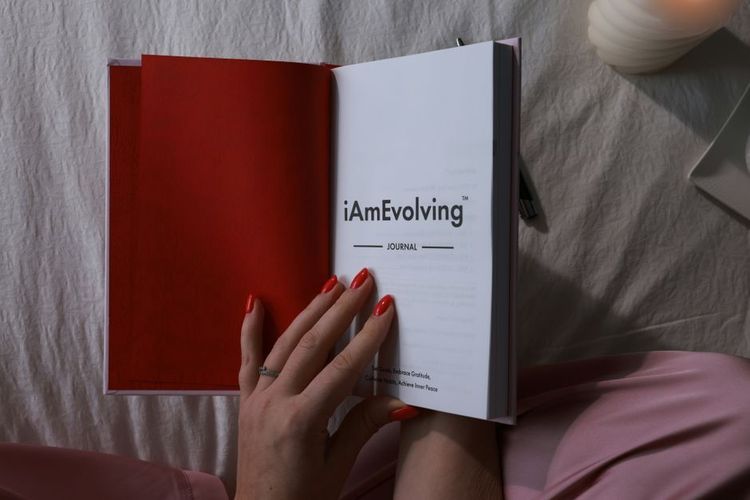
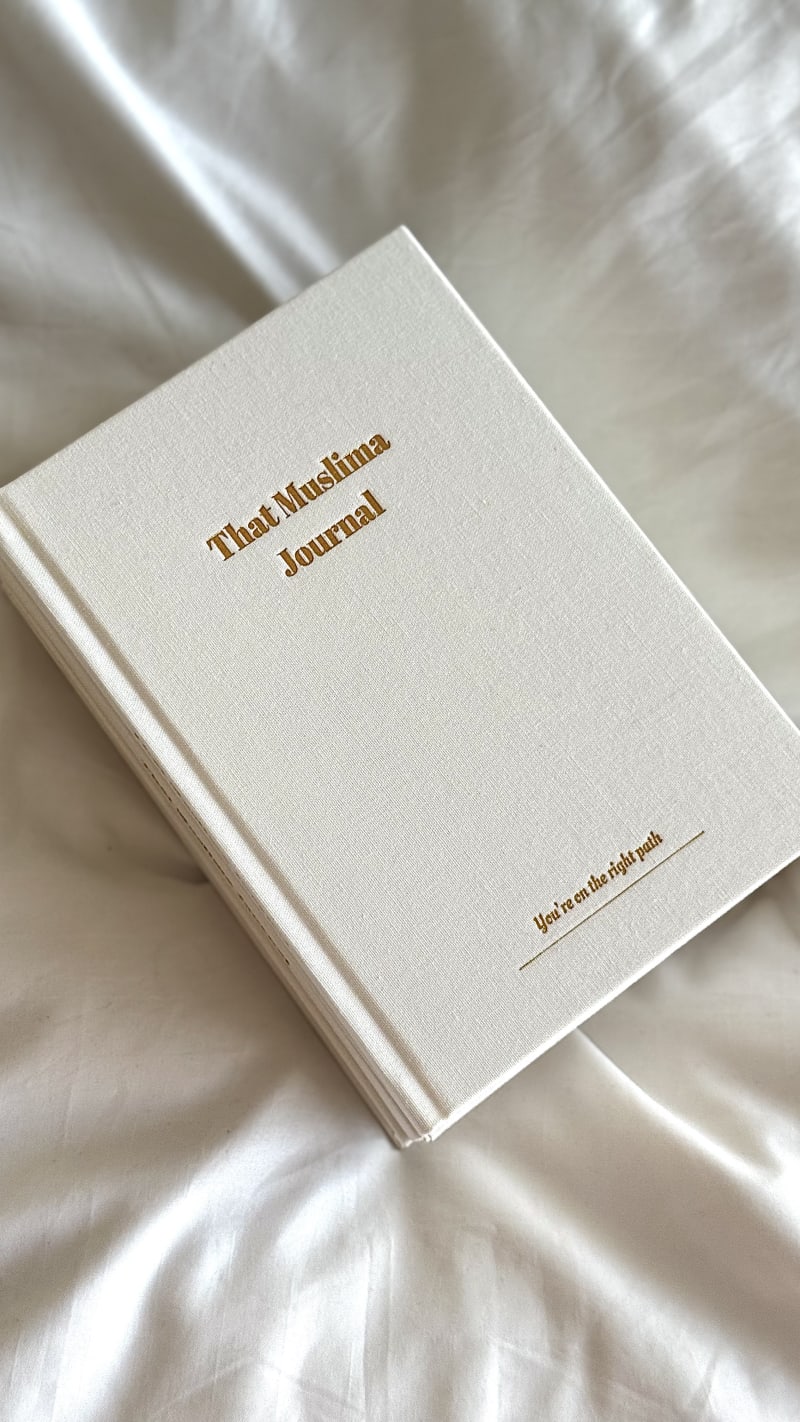
A strong tadabbur journal does not need to be elaborate. In fact, the best structure is one you can repeat even when you are tired. You can use a notebook, a digital document, or a guided space such as That Muslima Journal if you want your spiritual reflections, intentions, and personal growth notes in one thoughtful place.
Use four simple headings for each passage. First: “What does the passage say?” Under this, write the main theme in plain English. Avoid trying to capture everything. One clear sentence is better than a page of scattered thoughts.
Second: “What do I learn about Allah?” This question is central. The Quran is not only guidance about what to do; it teaches us who Allah is. Notice His mercy, justice, wisdom, knowledge, generosity, nearness, power, and care. This softens reflection and keeps it from becoming a dry self-improvement exercise.
Third: “What does this reveal about me?” Here, write with honesty but without despair. Maybe the passage exposes impatience, distraction, fear of people, attachment to control, or neglect of gratitude. Maybe it awakens hope, courage, or longing. Let the Quran become a mirror, not a weapon against yourself.
Fourth: “What is one action I will take?” This is your bridge between reflection and life. Keep it measurable. Instead of writing, “Be more grateful,” write, “After each prayer today, I will name one blessing and say alhamdulillah with attention.” Instead of, “Improve my prayer,” write, “I will arrive two minutes earlier for the next prayer and make one sincere dua before starting.”
Questions That Open the Heart
Good questions can turn a short reading into a meaningful conversation with the Quran. Try asking: What word or phrase stands out to me? What command, warning, promise, or comfort appears here? What does this passage call me to leave? What does it call me to begin? Where do I see this truth in my daily life?
You can also ask questions connected to your season of life. If you are overwhelmed, ask what the passage teaches about reliance upon Allah. If you are healing, ask what it teaches about mercy and hope. If you are making decisions, ask what it teaches about sincerity, patience, and the Hereafter. Reflection becomes intimate when you bring your real life to the Quran with adab and humility.
However, not every question must be answered immediately. Sometimes the most honest note is, “I need to learn more about this.” That is not failure. That is respect for the Quran. A mature Quran reflection routine leaves room for wonder, study, and asking people of knowledge.
When Motivation Drops or Time Feels Limited
Every meaningful routine will be tested by tiredness, hormones, family responsibilities, work, study, emotional heaviness, or spiritual dryness. The solution is not to abandon the routine, but to create a smaller version of it for difficult days.
Have a minimum practice. For example: read one verse, read its meaning, and write one sentence. That is enough to keep the thread connected. On very full days, listen to the passage while commuting or doing chores, then write one reflection before sleeping. A routine that can shrink is a routine that can last.
Also, remove the pressure to feel inspired every time. Some sessions will feel warm and full of tears. Others will feel quiet, plain, or even distracted. Keep showing up. The Quran is guidance even when your emotions are not dramatic. Consistency is a form of love.
If you miss a day, do not restart with shame. Simply continue at the next session. Many people lose their Quran study habits not because they miss once, but because they turn one missed session into a story of failure. Replace that story with mercy: “I paused, and now I return.”
A Starter Plan You Can Begin This Week
Choose one short passage today. Set four appointments with the Quran this week, each ten to twenty minutes. Place them after something already established, such as after dawn prayer, before bed, during lunch, or after the children sleep. Linking reflection to an existing habit makes it easier to remember.
For your first session, read the passage and translation slowly. For your second, read a trusted explanation and write the main message. For your third, answer two personal reflection questions. For your fourth, choose one action and make dua that Allah helps you live by what you learned.
At the end of the week, review your notes. Ask: What did I learn about Allah? What changed in my awareness? What action felt most meaningful? What made the routine easier or harder? Then adjust gently. Maybe you need shorter passages, a different time of day, or a dedicated notebook that makes the practice feel welcoming.
Building a Quran reflection routine from scratch is not about becoming perfect. It is about becoming present. Begin small, return often, and let one passage at a time teach your heart how to listen.